Thailand pool villa weather is one of the most important factors to understand before choosing a destination, season, and villa type. A private pool villa can offer space, privacy, outdoor living, and a relaxed holiday atmosphere, but the weather can strongly affect how guests use the pool, terrace, garden, beach, road access, and nearby activities.
Thailand is warm throughout the year, but the travel experience changes depending on heat, humidity, rain, wind, regional climate, sea conditions, and seasonal patterns. A villa that feels perfect in one season may feel different during heavy rain, strong sun, high humidity, or windy coastal weather.
This guide explains the main weather and climate factors that affect pool villa stays in Thailand. It covers heat, rainy season, dry season, beach conditions, mountain weather, pool comfort, outdoor spaces, travel planning, and common mistakes to avoid before booking.
What Does This Topic Mean?
A pool villa weather and climate guide for Thailand helps travelers understand how local weather conditions can affect a private villa stay. It is not only about whether the weather will be sunny or rainy. It is about how climate shapes comfort, safety, access, outdoor use, and the overall experience.
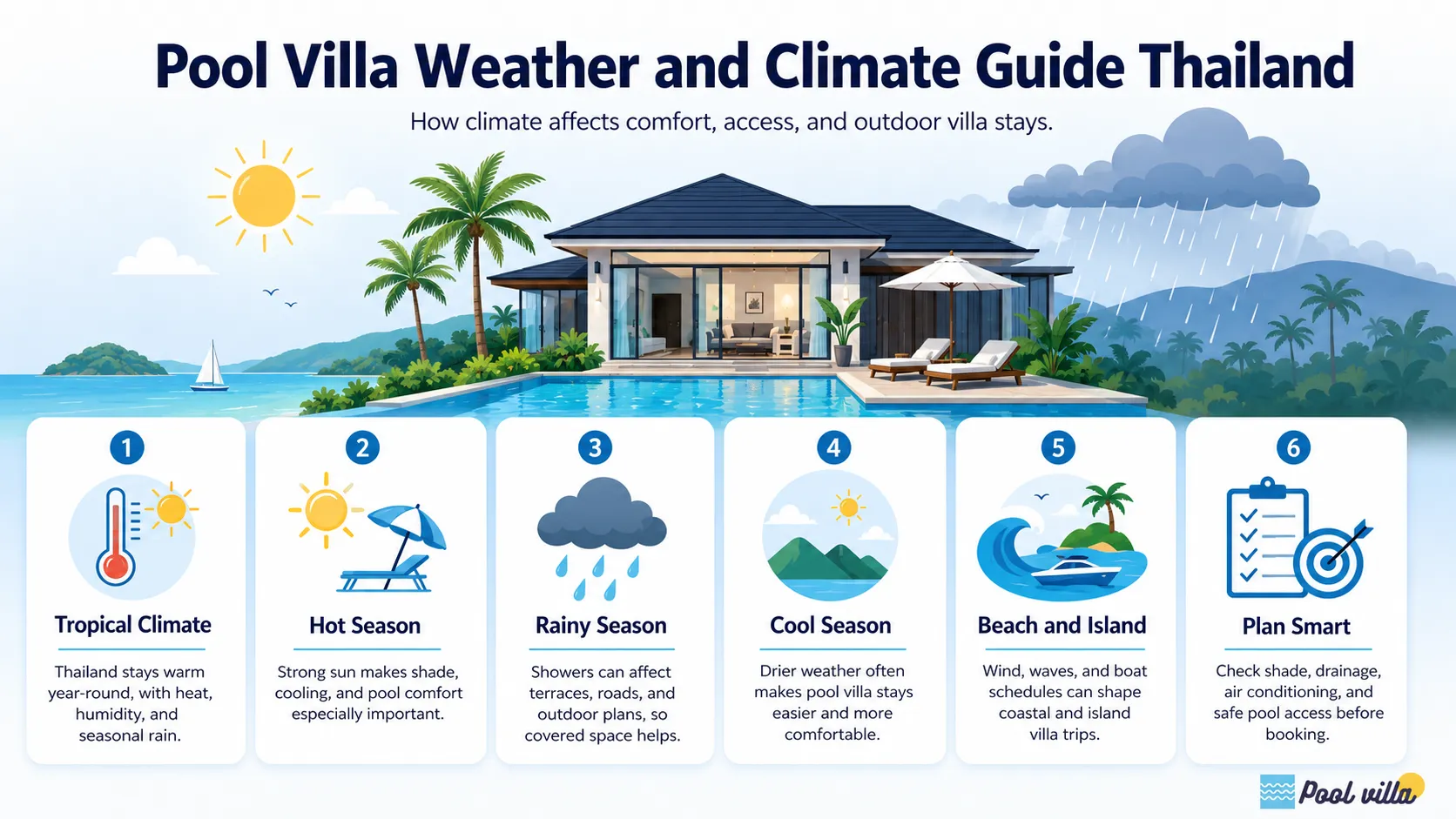
Thailand has a tropical climate, which means warm temperatures, humidity, seasonal rain, and regional weather differences. Coastal areas, islands, mountains, countryside destinations, and city-adjacent villas can all feel different even during the same month.
For pool villa stays, weather can affect:
- how comfortable the pool feels during the day;
- whether outdoor dining is usable;
- how hot bedrooms and living areas feel;
- whether rain limits terrace or garden use;
- how safe beach swimming is;
- whether boat transfers are affected;
- whether roads become slower or slippery;
- whether insects become more active;
- how much shade and ventilation guests need.
A good Thailand pool villa weather plan does not depend on perfect conditions every day. It focuses on choosing a villa that remains comfortable in realistic tropical weather.
Why Does This Matter?
Weather matters because pool villas are often built around outdoor living. Guests usually expect to swim, relax beside the pool, eat on the terrace, use open living spaces, enjoy views, and spend time together outside. If the villa is not suitable for the season, the stay can feel less comfortable than expected.
Strong sun can make an uncovered pool deck too hot during midday. Heavy rain can limit outdoor meals if there is no sheltered space. High humidity can make weak air conditioning or poor ventilation more noticeable. Wind and waves can affect beach access and island transfers. In mountain areas, fog or rain can reduce visibility and make roads more difficult.
Weather also affects different travelers in different ways. Families may need shaded outdoor areas and safe pool surfaces. Couples may prioritize views, privacy, and comfort during rainy evenings. Groups may need enough covered space for everyone to gather if it rains. Older guests may need easy movement between indoor and outdoor areas without slippery paths.
Understanding the climate helps travelers choose the right destination, timing, and villa layout instead of judging only by photos.
How Should You Approach It?
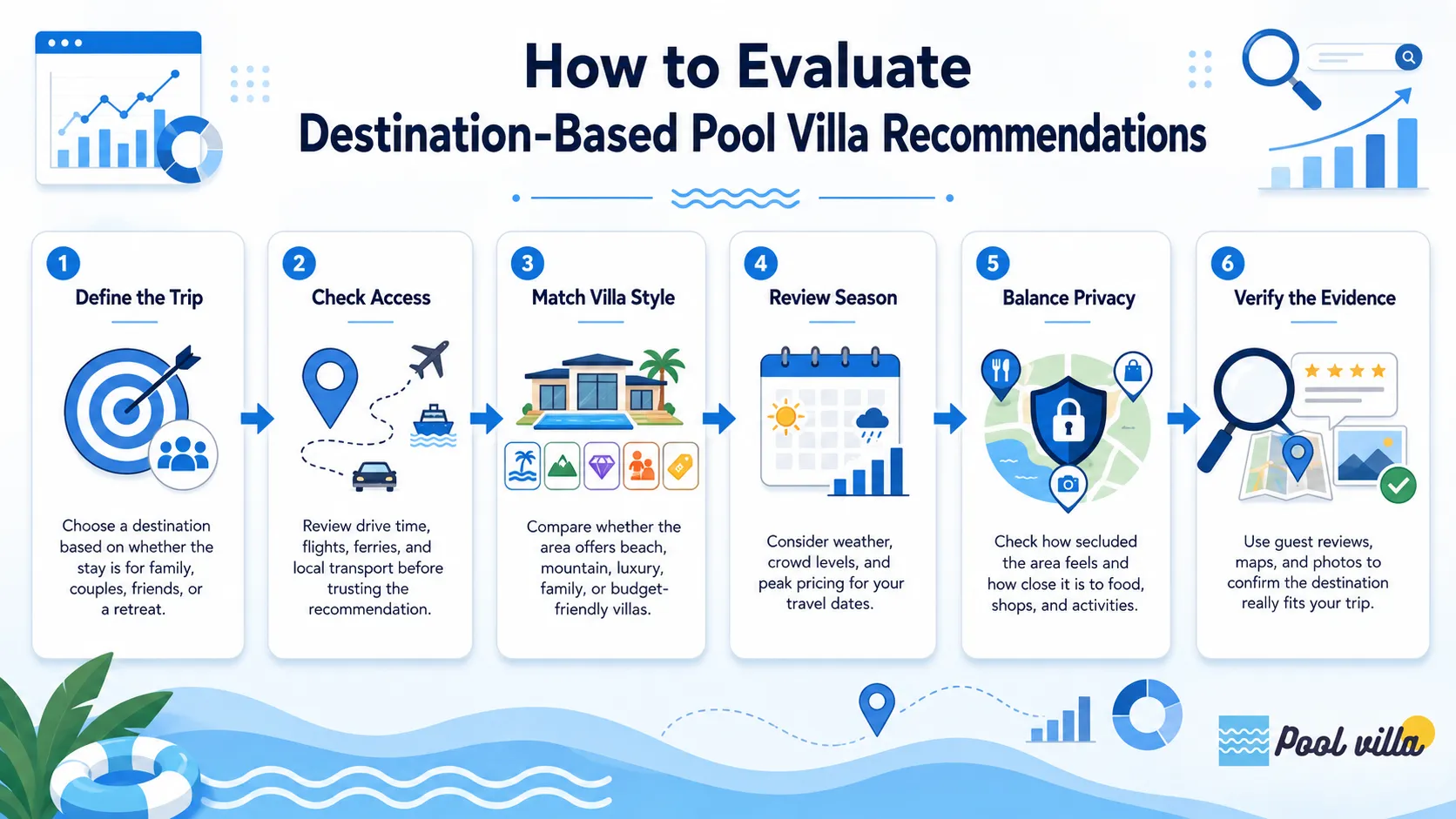
Start by matching the villa location to the season. Thailand’s weather can vary by region, so a general “best time to visit” is not always enough. A beach villa, mountain villa, island villa, and city-adjacent villa may each have different weather considerations.
Next, think about how you plan to use the villa. If the pool is the main attraction, check shade, pool position, deck safety, and covered seating nearby. If beach access matters, check sea conditions and local seasonal patterns. If the trip is short, choose a location with reliable access and enough indoor comfort in case the weather changes.
A practical approach is to check three things before booking:
- Seasonal weather pattern: Is the period generally hot, rainy, windy, or drier?
- Villa design: Does the villa have shade, air conditioning, covered areas, and safe outdoor surfaces?
- Trip flexibility: Can the group still enjoy the stay if rain, heat, or wind changes the plan?
The best villa is not always the one with the most dramatic pool photo. It is the one that works well in the weather you are likely to experience.
Heat and Humidity
Thailand is warm for most of the year, and heat affects pool villa comfort more than many travelers expect. A private pool can be refreshing, but the surrounding areas also matter. If the pool deck, terrace, and living spaces are fully exposed to the sun, guests may avoid outdoor areas during the hottest part of the day.
Humidity can make the air feel heavier, especially in low-lying coastal areas, city-adjacent destinations, and rainy-season periods. This can affect sleep quality, indoor comfort, and how often guests want to use air conditioning.
Before booking, check whether the villa has:
- strong air conditioning in bedrooms;
- ceiling fans or good airflow;
- shaded poolside seating;
- covered outdoor dining;
- curtains or blinds for strong sunlight;
- cool indoor areas for midday rest;
- enough drinking water access;
- outdoor showers or shaded garden areas.
For families and older guests, shaded areas are especially important. A villa with a beautiful pool but no shade may look attractive in photos but feel uncomfortable during midday heat.
Rainy Season and Outdoor Use
Rainy season does not always mean constant rain every day. In many areas, there may be sunny periods, short showers, cloudy skies, or heavier rain depending on location and timing. However, rainy weather can still affect the way guests use a pool villa.
Rain can make outdoor tiles slippery, limit open-air dining, reduce beach time, and change road conditions. It can also affect pool cleanliness because leaves, sand, and debris may enter the water more easily.
A rainy-season pool villa should have practical design features, such as:
- covered terraces;
- indoor dining space;
- safe walkways;
- non-slip surfaces;
- good drainage;
- easy access between bedrooms and common areas;
- reliable pool maintenance;
- comfortable indoor seating.
Rainy season can still be enjoyable if the villa is suitable. The atmosphere may feel cooler, greener, and quieter. The key is choosing a property that does not depend entirely on open-air outdoor use.
Dry Season and Strong Sun
Dry-season pool villa stays are often easier for outdoor activities, beach days, and sightseeing. However, dry weather can also bring stronger sun, hotter pool decks, and greater need for shade.
During sunnier periods, outdoor comfort depends heavily on villa layout. A west-facing terrace may be bright in the afternoon. A pool with no shade may become uncomfortable for children or guests sensitive to heat. Outdoor furniture may be too hot to use if it is fully exposed.
A good dry-season villa should offer a balance of sun and shelter. Guests should be able to swim, relax, and dine outside without being forced into direct sunlight all day.
Look for:
- umbrellas or shaded loungers;
- roofed terrace areas;
- garden trees or planted shade;
- cool indoor space;
- good water pressure and showers;
- air-conditioned bedrooms;
- practical pool access.
Dry weather can be excellent for a pool villa stay, but sun protection and heat management still matter.
Beach and Island Weather
Beach and island pool villas are strongly affected by coastal weather. Wind, waves, tides, rain, and sea conditions can influence beach access, boat transfers, water activities, and outdoor comfort.
A beach villa may have beautiful views, but strong wind can make outdoor dining less comfortable. Sea conditions may affect swimming, especially during rougher periods. Island villas may also depend on ferries, speedboats, or pier transfers, which can be affected by wind and rain.
Before choosing a beach or island villa, check:
- whether the beach is safe and usable during the season;
- whether boat transfers are required;
- whether the villa has covered outdoor space;
- whether sea-facing areas are exposed to wind;
- whether the pool area is sheltered;
- whether access paths become slippery after rain.
For island stays, allow extra time for transport and avoid tight travel schedules. A private pool can be especially useful when the sea is rough, but pool safety still matters during storms or heavy rain.
Mountain and Countryside Weather
Mountain and countryside pool villas can feel cooler, quieter, and more scenic than coastal or city locations. However, these areas may also bring fog, cooler evenings, rain, insects, and more challenging roads.
Mountain weather can change quickly. Morning fog may reduce views, rain may make steep roads slower, and outdoor paths may become slippery. In countryside areas, insects and humidity may be more noticeable, especially near gardens, forests, or water sources.
A mountain or countryside villa should be checked for:
- safe road access;
- covered parking or easy unloading;
- lighting around paths and stairs;
- indoor living comfort;
- insect screens or good sealing;
- warm enough bedding if evenings are cooler;
- covered outdoor seating;
- good drainage around the pool.
These villas can be excellent for peaceful retreats, but they require practical planning rather than judging only by scenery.
Pool Use and Safety in Different Weather
A private pool is the center of many villa stays, but weather affects how safely and comfortably guests can use it.
In hot weather, the pool may be used often, but guests need shade, hydration, and sun protection. In rainy weather, light rain may not stop pool use, but lightning, strong wind, and heavy rain should be avoided. Wet tiles can become slippery, especially around steps, ladders, outdoor showers, and pool edges.
Before booking, check whether the pool area has:
- non-slip flooring;
- safe pool steps;
- lighting for evening use;
- clear depth information;
- nearby covered seating;
- easy supervision for children;
- regular cleaning and maintenance;
- good drainage after rain.
For families, pool visibility is important. Adults should be able to supervise children from a shaded or covered area. For groups, pool rules and quiet hours should also be checked, especially in residential or resort-style properties.
What Tools, Materials, or Options Do You Need?
You do not need complicated equipment to plan around Thailand pool villa weather, but a few practical items can improve comfort.
Useful items include:
- light breathable clothing;
- swimwear and extra dry clothes;
- sandals with good grip;
- sunscreen and hats;
- insect repellent;
- waterproof bags for electronics;
- basic medicine;
- chargers and power banks;
- indoor activities for children;
- a small umbrella or rain jacket.
For rainy-season or island stays, packing light and protecting essentials is especially useful. For family stays, bring items that keep children comfortable if rain limits outdoor activity.
Avoid relying completely on the villa to provide everything unless the listing clearly confirms it. Towels, umbrellas, kitchen tools, and pool safety items can vary by property.
Common Mistakes
Choosing Only by Photos
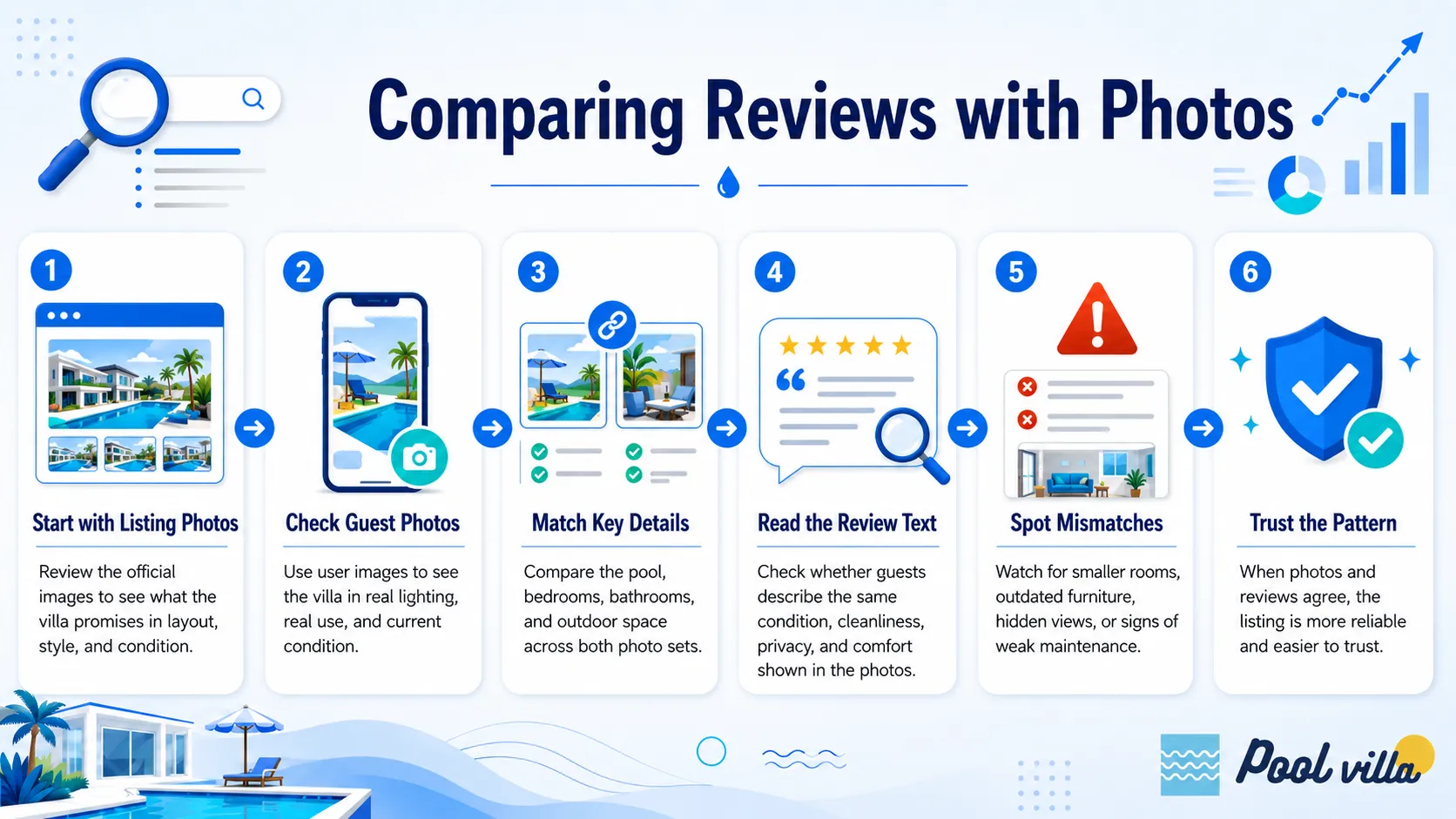
Villa photos are usually taken in good weather. They may not show shade, drainage, wind exposure, slippery paths, or how the villa feels during rain.
Ignoring Regional Weather Differences
Thailand’s weather is not identical everywhere at the same time. Coastal, island, mountain, and city-adjacent areas can feel different within the same season.
Assuming Rain Ruins the Stay
Rain does not always ruin a pool villa stay. A well-designed villa with covered space and good indoor comfort can still be relaxing during wet weather.
Forgetting About Heat
Travelers often focus on rain but underestimate heat and humidity. Shade, airflow, and air conditioning are essential for comfort.
Not Checking Access
Weather can affect roads, boat transfers, and walking paths. This matters for short stays, families, older guests, and island villas.
Practical Tips for Better Results
Choose the villa based on season, not only destination. A beachfront villa may be excellent in one period but more exposed during windy or rainy months. A mountain villa may be peaceful but harder to access in heavy rain.
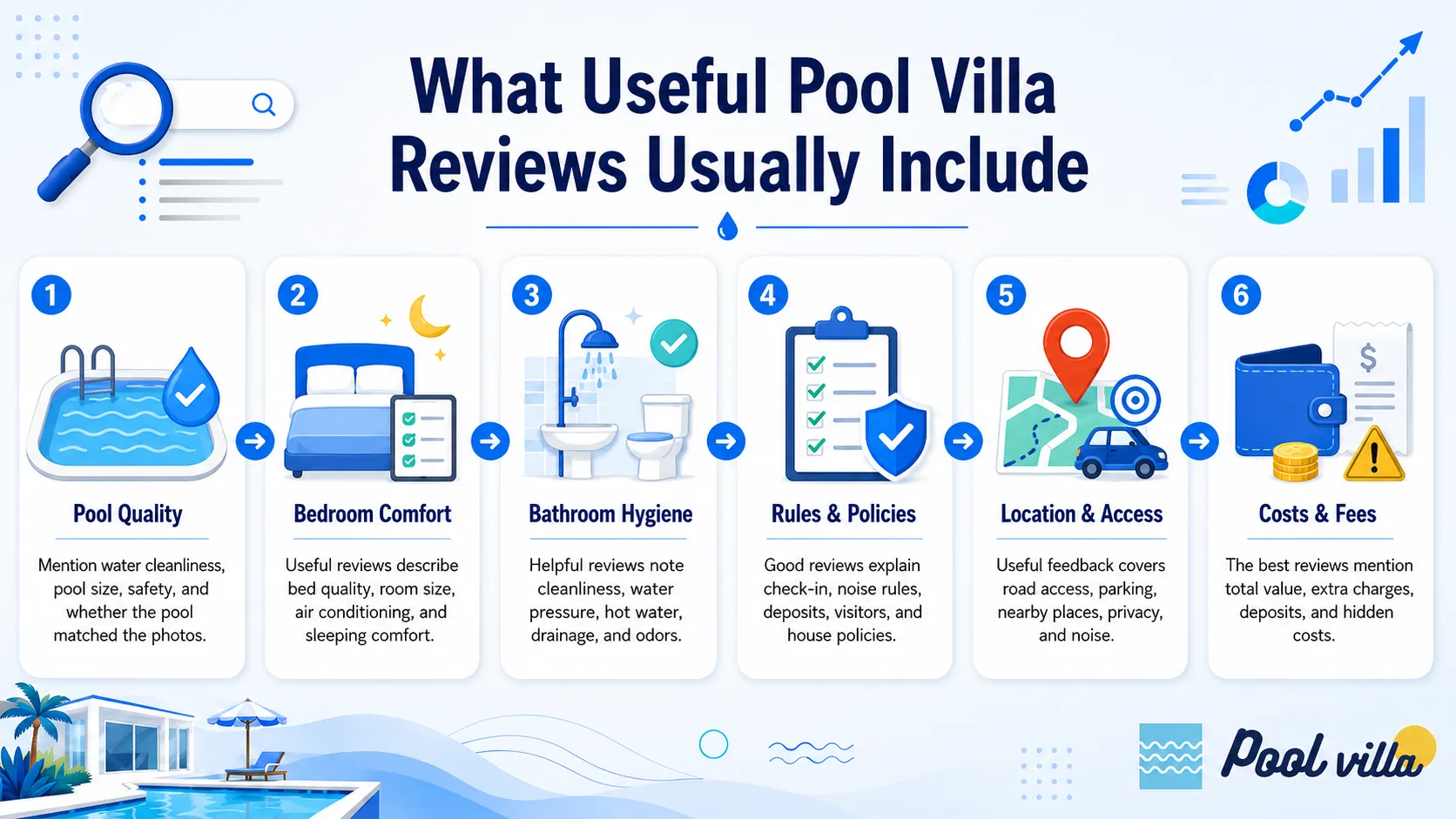
Read recent reviews carefully. Look for comments about heat, air conditioning, rain, pool cleanliness, insects, road access, and outdoor usability.
Ask specific questions before booking. Useful questions include whether the terrace is covered, whether the pool deck is slippery after rain, whether the pool has shade, and whether transport is affected during rainy periods.
Plan a flexible schedule. Keep outdoor activities for good weather and use rainy periods for meals, rest, indoor activities, or covered terrace time.
For short stays, prioritize convenience and weather reliability. If the trip is only one night, difficult access or weather-sensitive transfers can reduce the value of the stay.
Maintenance or Prevention
For guests, weather-related prevention means choosing and using the villa wisely. Keep towels, bags, and electronics away from exposed areas when rain is possible. Close doors and windows when air conditioning is running to reduce humidity indoors. Use covered spaces for meals during uncertain weather.
Around the pool, avoid running on wet surfaces and keep children supervised. After heavy rain, wait until the area is safe before using the pool deck. If the pool looks dirty after a storm, ask the host or villa staff about cleaning before swimming.
To prevent insect problems, keep food covered, close doors in the evening, use screens where available, and avoid leaving standing water or open trash around outdoor areas.
Good weather planning is not only about comfort. It helps protect safety, hygiene, and the overall quality of the stay.
When Should You Be Extra Careful?
Be extra careful during heavy rain, storms, strong wind, or lightning. Avoid swimming during unsafe weather, even if the pool is private.
Take extra care with beachfront and island villas when sea conditions are rough. Beach swimming, boat transfers, and coastal paths may be affected.
Be cautious with hillside or mountain villas during rain. Roads, steps, and pool decks may become slippery. This is especially important for elderly guests, young children, and anyone with mobility concerns.
Also be careful with very remote villas. Weather can make access to food, transport, medical help, or emergency support slower.
If the stay is short, avoid locations where weather delays could consume too much of the trip. A practical villa with easier access may provide a better experience than a more dramatic but weather-sensitive location.
FAQ
What is the best weather for a pool villa stay in Thailand?
The best weather depends on the destination and travel style. Drier periods are usually easier for outdoor activities, while rainy periods can still work well if the villa has covered spaces, good indoor comfort, and safe access.
Is rainy season bad for pool villas in Thailand?
Not always. Rainy season can still be enjoyable, especially for slower villa stays. The key is choosing a villa with covered terraces, safe pool areas, good drainage, and flexible plans.
Can you use the pool when it rains?
Light rain may be fine, but guests should avoid swimming during lightning, strong wind, heavy rain, or unsafe conditions. Wet pool decks can also be slippery.
Are beach villas more affected by weather?
Yes, beach villas can be more exposed to wind, sea conditions, salt air, and storms. Beach access and swimming may also change depending on the season.
What should families check before booking?
Families should check shade, pool safety, air conditioning, covered areas, slippery surfaces, nearby services, and whether children can be supervised easily around the pool.
Conclusion
Thailand pool villa weather affects much more than the forecast. Heat, humidity, rain, wind, sea conditions, mountain fog, insects, and road access can all shape the comfort and safety of a villa stay.
The best approach is to choose a villa that matches the season and remains comfortable when the weather changes. Look for shade, air conditioning, covered terraces, safe pool areas, good drainage, practical access, and reliable indoor space.
A pool villa stay in Thailand can be enjoyable in many seasons when expectations are realistic. By understanding the climate factors before booking, travelers can choose more confidently and enjoy a smoother, safer, and more comfortable stay.